Louise Brooks
The bob. Left Hollywood for Germany, made two great films, and was written off for it.
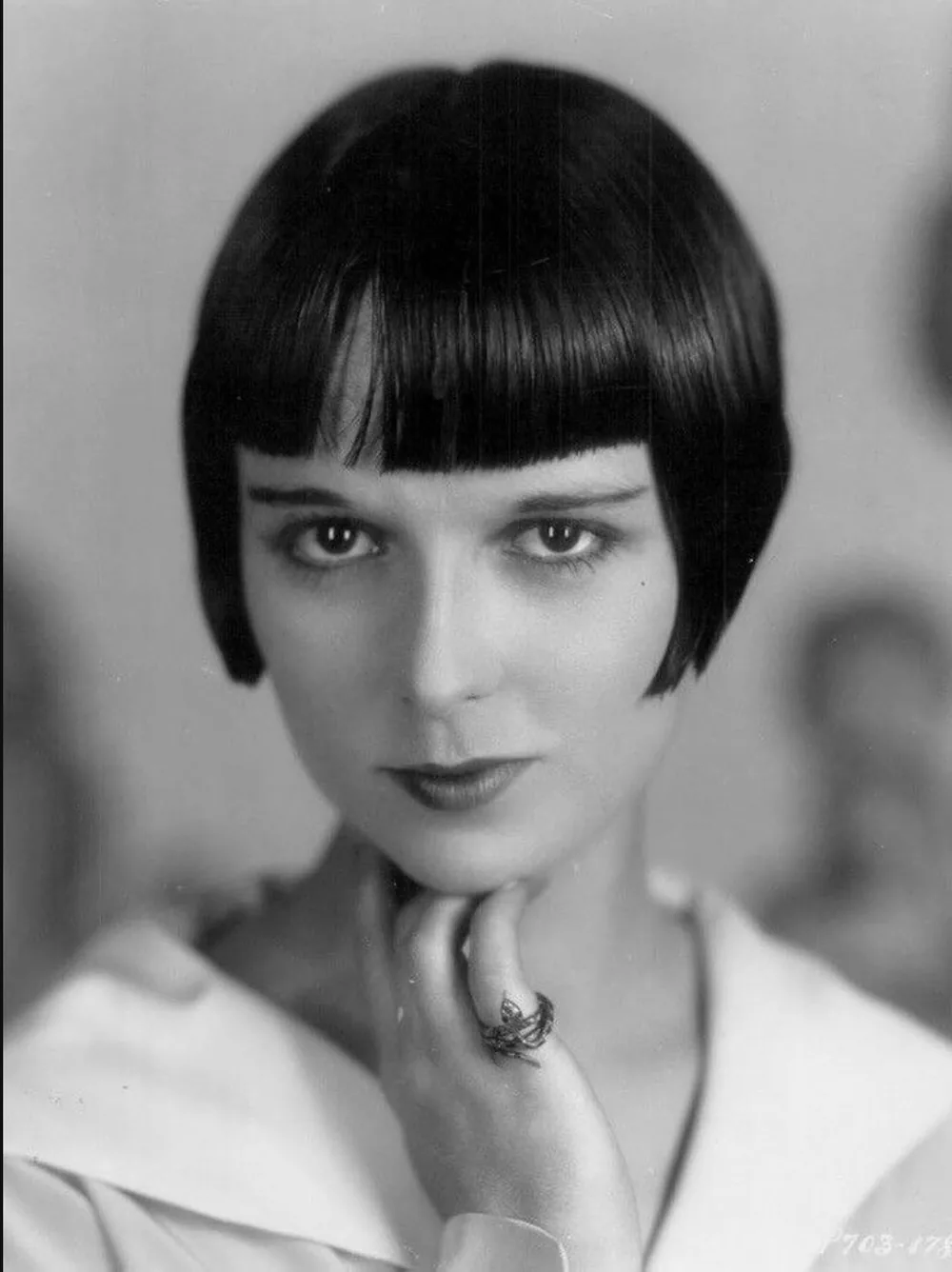
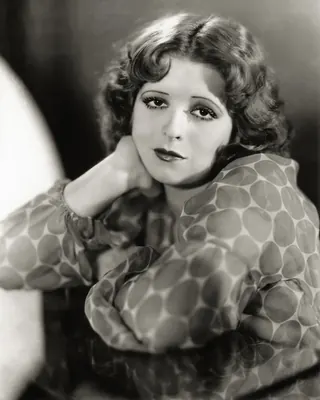
Louise Brooks worked in American films through the 1920s and 1930s and is now treated as an icon of flapper culture, partly because of the bob haircut she helped popularise.
Her most durable work was not made in Hollywood. She went to Germany and made Pandora's Box and Diary of a Lost Girl for G. W. Pabst, and the American industry treated the departure as a betrayal.
She was rediscovered late in life by film writers and wrote about the period herself, sharply and without much sentiment.
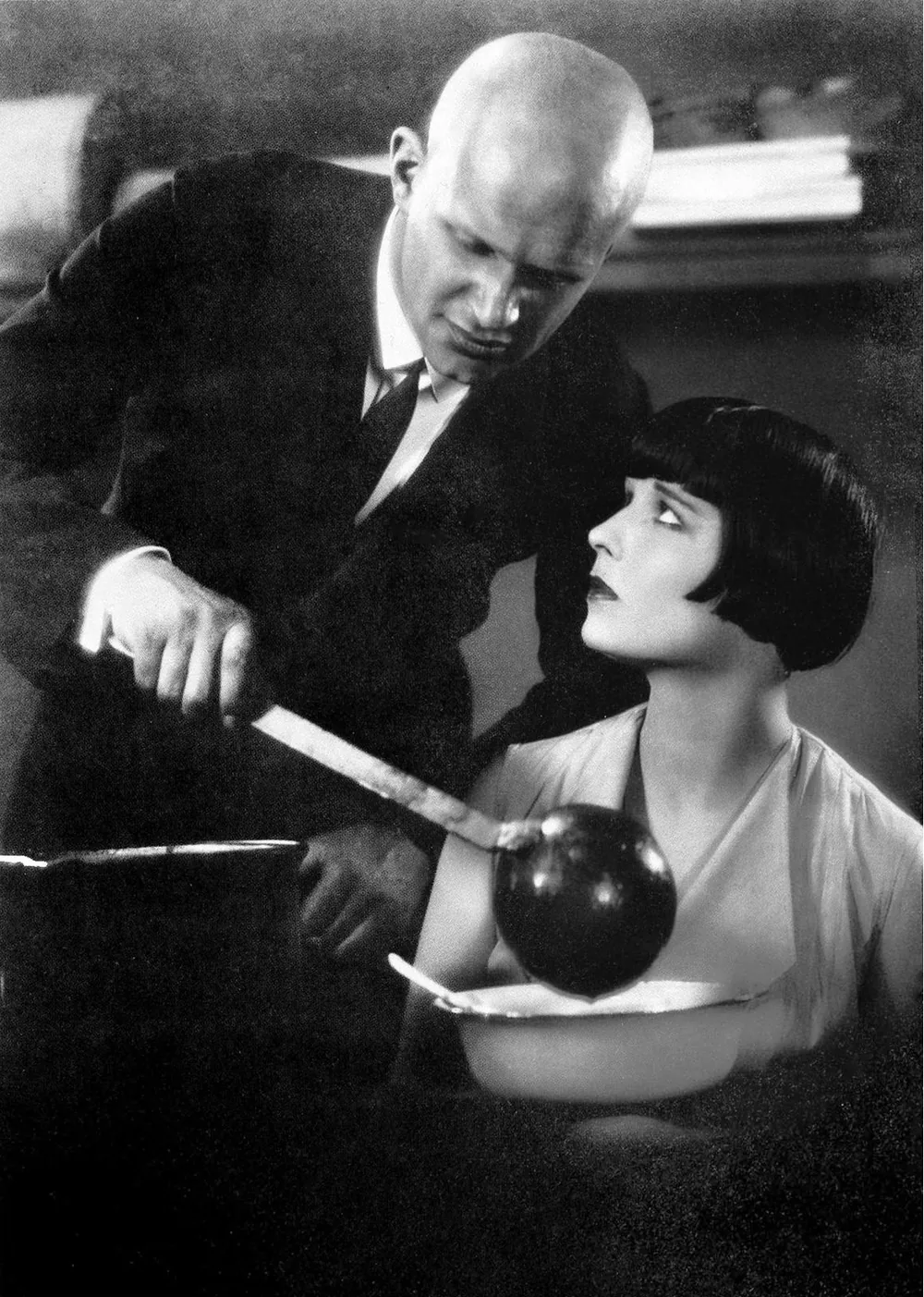
Pabst chose her over Marlene Dietrich, whom he thought, at twenty seven, too old and too knowing for Lulu. Filming ran at the Nero-Film studio in Berlin from mid October to late November 1928, and Brooks did not speak German. The Berlin critics in 1929 called her a non-actress and treated the casting of an American as an insult to Wedekind. The censors did the rest: the British and French versions removed the lesbian character, changed the trial verdict and ended with Lulu in the Salvation Army. The film's standing was rebuilt from the 1950s. The 2009 restoration is what most people have now seen.
Paramount asked her to come back and record her voice for the sound version of The Canary Murder Case in 1929. She refused. The studio used Margaret Livingston's voice and let it be known that Brooks could not talk for the microphone, and the American offers dried up. She declared bankruptcy in 1932, made a last try with Overland Stage Raiders in 1938 opposite John Wayne, sold at Saks Fifth Avenue and lived for some years on money from men. James Card of George Eastman House brought her to Rochester in 1956. From there she wrote, and the essays collected as Lulu in Hollywood in 1982 are still read.
Facts on this file are checked against the Wikipedia article Louise Brooks. The wording is ours. Nothing about the photograph is asserted beyond the credit the file itself carries, and that credit is usually a studio rather than a person: stills departments were staff jobs and the photographer's name went unrecorded. Confident attributions in the trade are mostly inherited guesses.
Other prints under this name
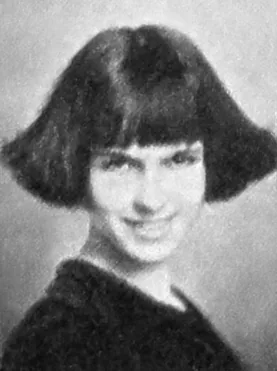
About Louise Brooks
How did Louise Brooks die
A heart attack, on August 8, 1985, in her apartment in Rochester, New York; she was seventy eight. She had been housebound for years with emphysema and osteoarthritis and was still receiving visitors and letters from film writers. Money in the last decades came partly from William S. Paley, the head of CBS, who had known her in the 1920s and sent a monthly cheque until she died. Barry Paris's biography followed in 1989.
Why did Louise Brooks leave Hollywood
Money first, and then temperament. In 1928 Paramount refused her a raise she believed she was owed when the studio moved to sound, and she walked out rather than accept it, taking Pabst's offer for Pandora's Box instead. The industry read the departure as arrogance. When she came back to America the roles were bit parts, and after the Canary Murder Case dispute the studios had no use for her. She wrote later that she had never much liked the place.
Did Louise Brooks invent the bob haircut
She was not the first and did not claim to be. The bob was in fashion before she arrived at Paramount in 1925; Irene Castle had worn one before the First World War, and Colleen Moore's version was already famous on screen from Flaming Youth in 1923. What Brooks did was wear it more severely than anyone, straight, black and cut to the jaw with a full fringe. Kenneth Tynan's 1979 New Yorker profile called it the black helmet, and the name has stuck.
Filed alongside