Gloria Swanson
Dozens of silents in the 1920s, then Norma Desmond in 1950 and a third Oscar nomination.
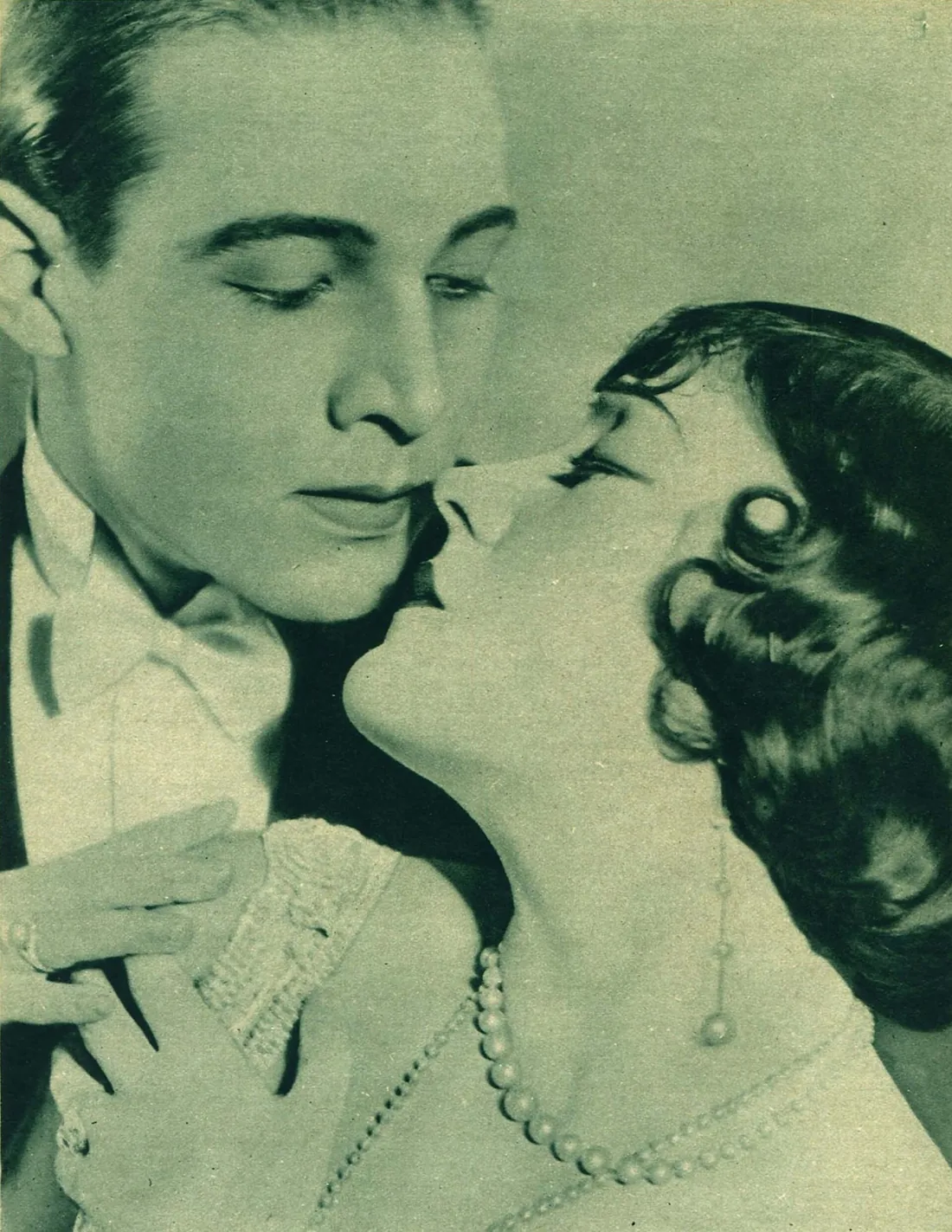
Gloria Swanson made her name in dozens of silent films through the 1920s and was nominated three times for the Academy Award for Best Actress. The third nomination came in 1950 for Sunset Boulevard.
That film is why most people now know her, and it complicates every photograph of her from the 1920s. Billy Wilder cast a genuine silent star as a forgotten silent star, and the picture has partly overwritten the career it was commenting on.
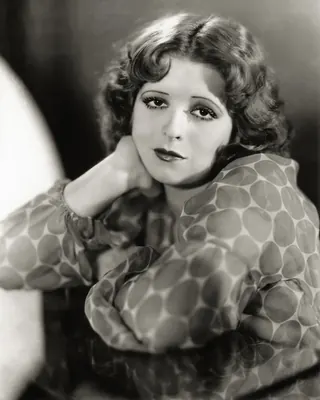
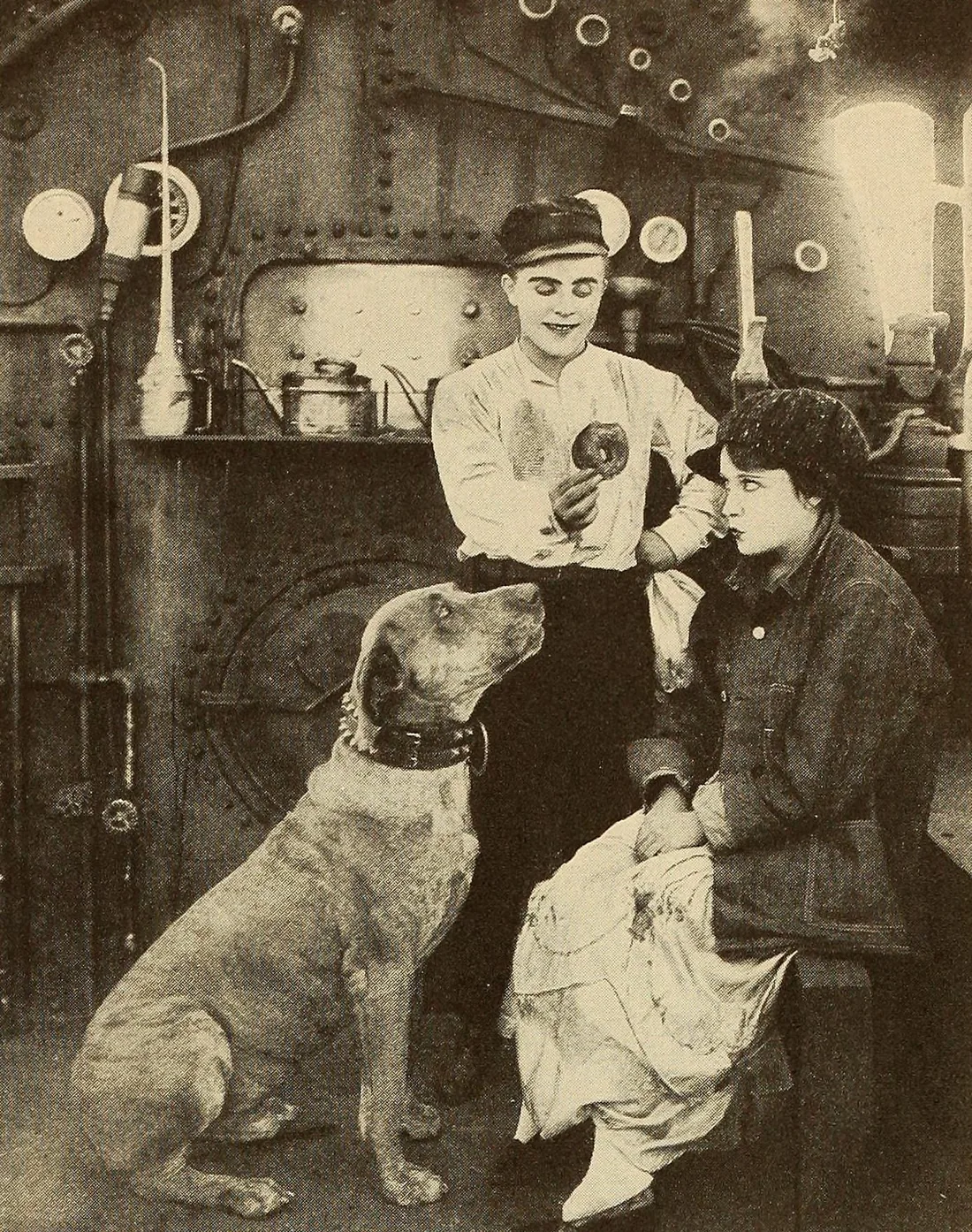
The stills from her actual silent period show a working leading lady of the studio system, not a recluse in a decaying house.
The figures tell the working story better than the legend does. Essanay in Chicago paid her $3.25 for a walk-on in 1914 and then $13.25 a week. Paramount signed her in December 1918 at $150 a week, and in the six films she made for Cecil B. DeMille between 1919 and 1921, Male and Female among them, the studio built her into its principal female star. By 1925 she was in a position to refuse a Paramount offer of a million dollars a year and go to United Artists as her own producer instead. That decision, and Queen Kelly, cost her most of the money.
Queen Kelly is the documented disaster. Financed by Joseph P. Kennedy, who was also managing her money, and directed by Erich von Stroheim, it went over budget and Swanson shut it down in January 1929 with the African section unfinished. She filmed a new ending in November 1931 and released it in Europe only. Then she outlived the story. She sold a dress line by mail from 1951, wrote about health food, studied with the yoga teacher Indra Devi, played Broadway in Twentieth Century in 1950 and 1951 and Butterflies Are Free in 1971, and published Swanson on Swanson in 1981, two years before she died.
Facts on this file are checked against the Wikipedia article Gloria Swanson. The wording is ours. Nothing about the photograph is asserted beyond the credit the file itself carries, and that credit is usually a studio rather than a person: stills departments were staff jobs and the photographer's name went unrecorded. Confident attributions in the trade are mostly inherited guesses.
Other prints under this name
About Gloria Swanson
How did Gloria Swanson die
Heart disease, on April 4, 1983, at New York Hospital; she was eighty four. She had lived in Manhattan for decades and was still working late: Airport 1975, in which she played herself, was her last film, and she had been on Broadway as recently as 1972. Her ashes were placed at the Church of the Heavenly Rest on Fifth Avenue. Her sixth husband, the writer William Dufty, whom she had married in 1976, survived her.
Was Gloria Swanson really like Norma Desmond
Not in the ways that matter. In 1950 Swanson was fifty, working in television and radio, and had not lived in Hollywood for years; Norma Desmond was written as a recluse who had never left. Wilder's first thoughts had been Mae West, Mary Pickford and Pola Negri. George Cukor suggested Swanson, and she took the part after a screen test she had at first refused to do. She called the role a pleasure and resented being confused with it. The sedan chair story Cukor told was true, though.
Did Gloria Swanson have an affair with Joseph Kennedy
By her own account in Swanson on Swanson in 1981, for several years from 1927, while she was married to Henri de la Falaise. Kennedy took over her finances and her production company, financed Queen Kelly and, on her telling, left her poorer than he found her. Nothing was said publicly during his lifetime; he died in 1969. The affair rests largely on her account, written a dozen years after his death. The financial arrangement is not in dispute.
Filed alongside