Buster Keaton
Physical comedy, inventive stunts, and a face that never once gave anything away.
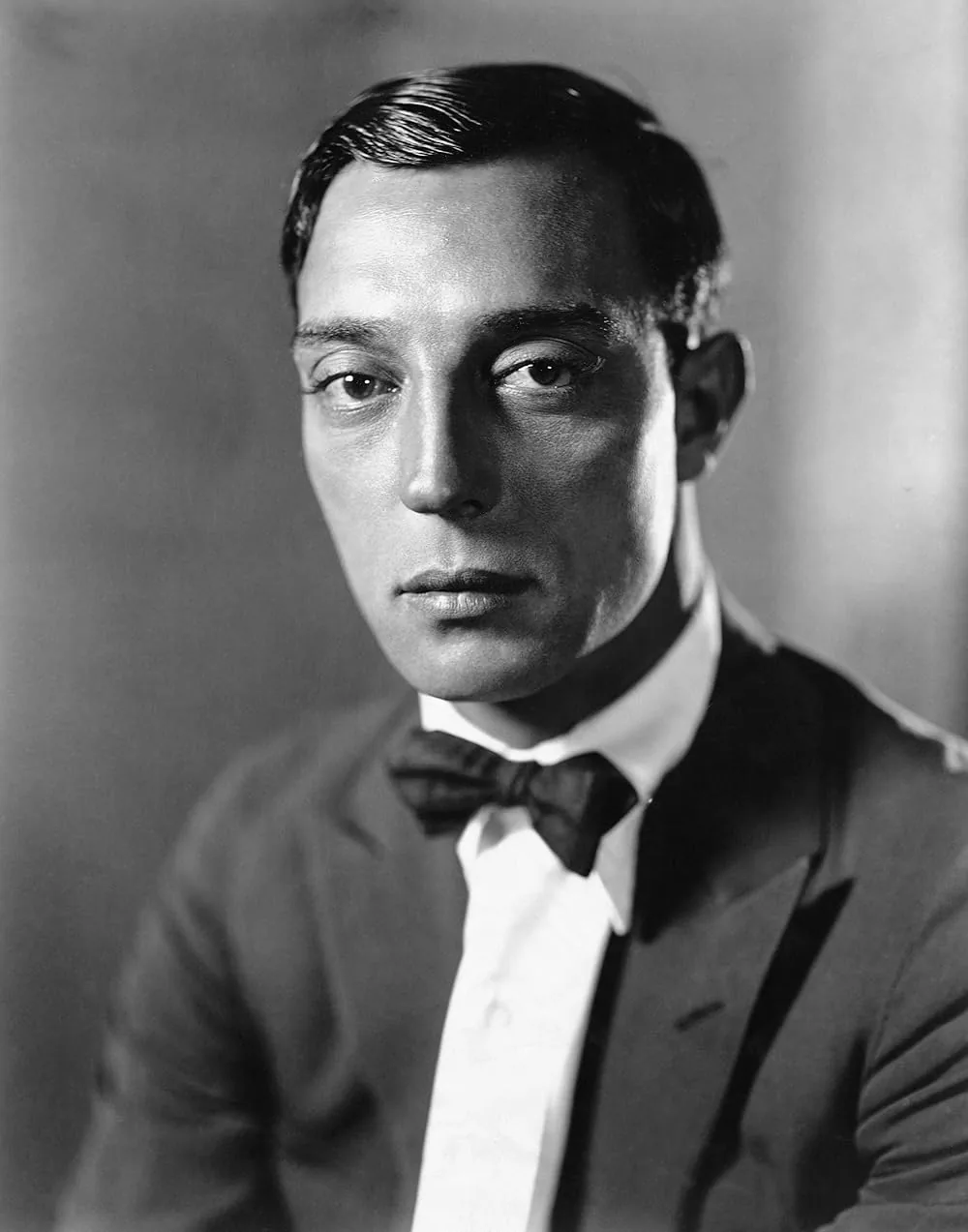
Joseph Frank Keaton built his films on physical comedy and stunts he devised and performed himself, holding a stoic deadpan expression throughout. The nickname that followed him, the Great Stone Face, came from exactly that.
The stunts were real and several were dangerous. That is worth remembering when looking at a still from one of his pictures: the man on the front of the locomotive is on the front of the locomotive.
His reputation fell away during the sound era and was rebuilt decades later by critics and archivists. He is now generally rated alongside Chaplin, which was not true while he was alive.
He worked without a script. Keaton's unit, financed by Joseph Schenck from 1920, started from a beginning and an ending and built the middle on the stage floor, with gags tested physically before they were photographed. Nineteen two-reelers came out of that method in the early 1920s, then the features. The General was shot in and around Cottage Grove, Oregon, in the summer of 1926, with real locomotives and 1,500 local people hired as extras. The bridge collapse was one take, because there could only be one. The engine lay in the river until it was cut up for scrap during the Second World War.
What survives is nearly everything, which is unusual and owes a good deal to accident. Negatives sat in Keaton's garage and in the Schenck vaults, and in the 1950s the exhibitor Raymond Rohauer got hold of them and began reissuing the films, with a legal grip on the rights that archivists still complain about. Keaton took $50,000 for the rights to his life story when Paramount made The Buster Keaton Story in 1957, a film that bore little relation to his life; the money bought the house in Woodland Hills where he died. The 1924 fall on Sherlock Jr. that broke his neck was found on an X-ray in 1935.
Facts on this file are checked against the Wikipedia article Buster Keaton. The wording is ours. Nothing about the photograph is asserted beyond the credit the file itself carries, and that credit is usually a studio rather than a person: stills departments were staff jobs and the photographer's name went unrecorded. Confident attributions in the trade are mostly inherited guesses.
Other prints under this name
About Buster Keaton
Did Buster Keaton really do his own stunts
In the independent films, almost without exception, and there is documentation for the cost. The water tank fall on Sherlock Jr. in 1924 fractured his neck; the break was found on an X-ray in 1935. The two-ton house front in Steamboat Bill, Jr. in 1928 came down around him with a few inches of clearance at the window. At MGM after 1928 the studio insisted on doubles for dangerous work, over his objection. His line was that stuntmen do not get laughs.
How did Buster Keaton die
Lung cancer, on February 1, 1966, at his home in Woodland Hills, California, aged seventy. The diagnosis came in January and the doctors and his wife Eleanor did not tell him it was terminal; he believed he was getting over bronchitis and was playing cards with visitors the day before. He had finished A Funny Thing Happened on the Way to the Forum the previous autumn and the Beckett short Film the year before that. He smoked heavily all his adult life.
Why did Buster Keaton never smile
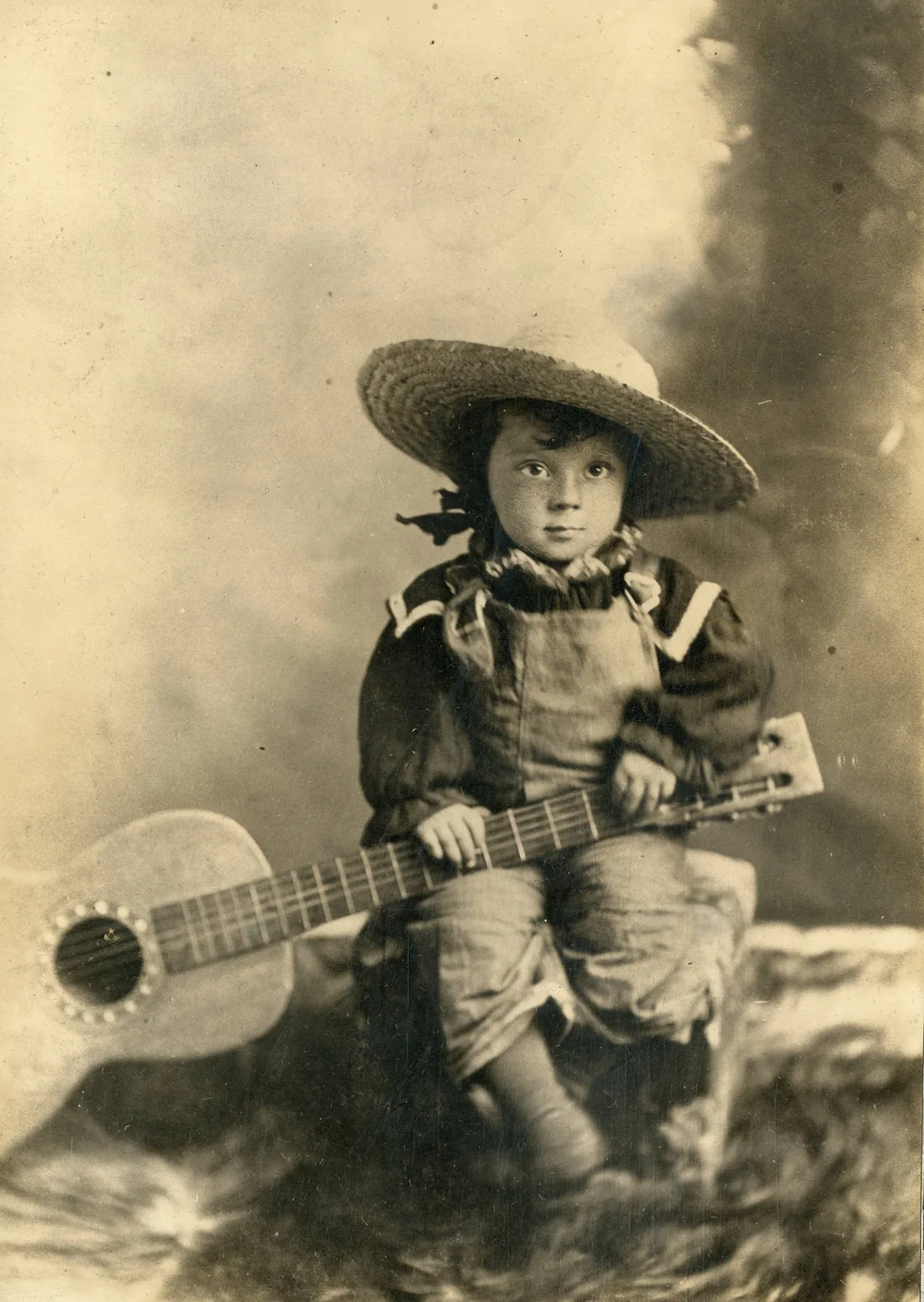
The straight face was a stage decision made in childhood. In The Three Keatons, the family vaudeville act he joined in 1899 at the age of three, his father threw him about the stage, and audiences laughed harder when the boy did not react, so he stopped reacting. The Gerry Society, the New York child welfare body, tried repeatedly to have the act shut down. He kept the rule on film from The Butcher Boy in 1917 onward. The nickname came from the trade press; he did not choose it.
Filed alongside